Category: Sports
MICKEY GUYTON SHADES OF MARVIN GAYE!
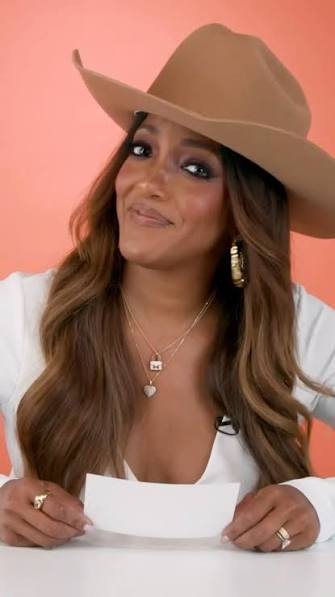
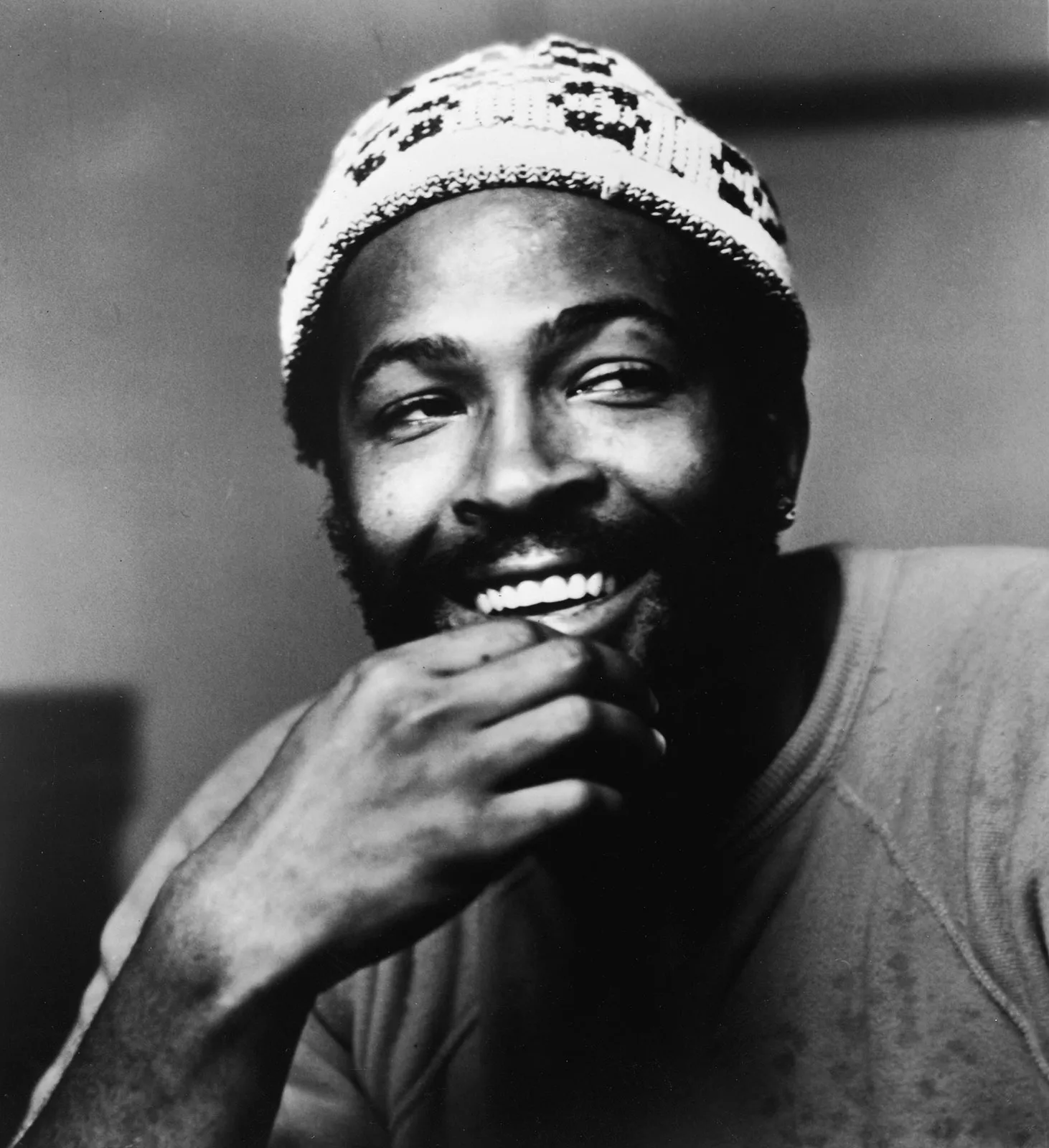
R & B-COUNTRY MUSIC-MARVIN GAYE & MICKEY GUYTON THE MESSAGE IS THE SAME-BLACK & PROUD
When I saw Country and Western vocalist Mickey Guyton singing the National Anthem to open the World Series in Milwaukee, Wisconsin, she made my day.
She knocked her rendition of the National Anthem out of the park. It reminded me of how my homeboy and friend Marvin Gaye when he blew the top off the arena at the NBA All-Star Game in Detroit in 1983.
I am a big Country Music fan, it ain’t nothing but the blues. My favorites, Charlie Pride, Garth brooks, KennyRogers, Dolly Parton, and Reba McIntosh.
I added Country Music star and singer Mickey Guyton to my favorite’s list when she signed with Mercury Records in 2016.
She was a star right out of the box. In 2021, she made history by becoming the first Black woman to co-host the Academy of Country Music (ACM) Awards, this was just a year after performing on the telecast as the first Black solo female artist to do so.
In 2022, she became the first Black female artist to earn a Grammy nomination in a country category (Best Country Solo Performance). Mickey later earned three additional Grammy nominations including Best Country Album for Remember Her Name.
She completely won me over when she made history during the Grammy Nominations: Following the release of her classic, “Black Like Me,”
I grew up on Rhythm & Blues: My homeboy and friend Marvin Gaye is my favorite vocalist. We were from the same cloth, we were a risk takers as youth growing up in DC, “We Never Played The Game.”
Marvin and Mickey Guyton are from the same musical cloth. They have never shied away from being Black and Proud.
They had no problem describing how they felt regarding the struggles in Black America in the songs they sung.
This was the response I received when I asked AI why Mickey Guyton was not allowed to perform her Grammy nominated Black Like Me, on the lawn of the U. S. Capitol in 20121-see their response;
“PBS’ A Capitol Fourth celebration on the lawn of the U.S. Capitol in 2021. The exclusion of her Grammy-nominated song “Black Like Me” came down to the event’s traditional formatting, tone, and broadcast guidelines.” This was more BS!
“What’s Going On and Black Like Me”, are two of my favorite National Anthems.
Marvin, and I met in the early 50s in my Parkside housing project in NE DC. He was a part of a street corner Do-Wop group that hung out under the light pole on my Kenilworth Terrace street corner. Under that light pole: We shot Nickel and Dime dice/crap. Some nights we played “The Dozens”. The light pole was “First Come-First Serve”, it was a ‘Gentleman’s Agreement’.
The Do-Wop group often used the space to practice under the lights for the annual Spring Festival Talent Show. The talent show was held at the historic Spingarn High School located on Benning Road NE adjacent to the historic Langston Golf Course. The home of golfers Lee Elder, and Joe Louis.
Marvin did not live in the Parkside Housing projects. He lived in NW DC and attended Cardozo High School. Freddy Neal, a Parkside neighborhood Do-Woper and Marvin were good friends. Freddy was Marvin’s pass into “The Hood”.
Marvin was an introvert, he was there for the laughs and vocals. The common denominator, he always wanted to be an athlete, and I wanted to sing Do-Wop.
In the late 50s my mother would move my brothers, Earl, William and I to a notorious neighborhood called, “Simple City”, it lived up to its name.
I would later discover Marvin was living down the block from me on 58th and Blaine Streets. He was living with Peasy Adams a friend of my mother’s. She was once a baby-sitter for me and my brothers in Parkside.
Marvin and Peasy became friends when he was in Parkside during his Do-Wop days. When he had a falling out with his father, Peasy invited him to live with her.
I remember one morning in 1956, we were riding the bus to school and he said, “Man, I am going to join the Air Force, I cannot keep doing this.”
He meant, he could not keep taking the bus ride from 58th Street NE to Cardozo High School every morning. Cardozo was located at 13th and Clifton Streets, NW. I remember Marvin saying, “It felt like traveling cross country”.
Marvin Gaye enlisted in the U.S. Air Force in 1956 at the age of 17 after dropping out of high school.
He served briefly before receiving an honorable discharge in 1957 after struggling with authority and regimentation.
I was having the same problem with my coaches at Spingarn as student/athlete. Coach Leo Hill kicked me off the baseball team for selfish behavior, and basketball Coach William Roundtree asked me to turn in my uniform for similar reasons.
Football coach Dave Brown was my savior (barely). He locked me on the school bus during half-time. He heard me raising hell with the QB for not throwing me the ball-he made his point, they won without me. I had to apologize to my teammates to keep my uniform.
I transferred from Spingarn twice to two different schools before Coach Brown and Bighouse Gaines (Winston-Salem) rescued me from the poolroom across the street from Spingarn.
Marvin and I did not meet again until 1965 on the corner of 7th & T Streets, NW in front of the historic Howard Theater.
Petey Greene and I were hanging out with nothing better to do, Suddenly, there was a reunion on the corner when Marvin joined us.
I met Petey at the Burning Tree Golf Course in a suburb of Bethesda, Maryland in 1957 about the same time I started to caddy for Vice-President Richard Nixon.
THE REUNION: Petey and I worked as caddies on the weekends. Marvin and I went all the way back to my Parkside Housing project days.
Petey had just gotten out of jail, Marvin was honorable discharged out of the Air Force after one year (1957). He was still struggling to get along with his father. I had just dropped out of college-to chase my NFL dreams. I got cut the first week in camp in Charleston, West Virginia (Minor Leagues).
In 1965, we were three brothers standing on the corner without a clue of what the future held.
Marvin, made the first move and decision. He said, “I don’t know where I am going but I am getting the hell out of DC.” The three of us hugged (without the kiss), and said goodbye- Marvin disappeared into the night.
Petey, helped me to get my first job out of college with the United Planning Organization as a Neighborhood Worker. 1965 was a good year, a new job and new friends.
In 1967, thanks to a UPO grant, I joined the DC Department of Recreation & Parks (Roving Leader Program-Youth Gang Task Force). Another new job and a new friend. I met Muhammad Ali on the campus of Howard University. The rest is American boxing and community history.
1968 the riots all most destroyed Washington, DC. I spend three days and three nights walking the streets with nothing but a DC Police Department Badge trying to save lives. The badge allowed me to cross police and military barricades. The third night, I met FBI undercover agent, Wayne Davis, he was a breath of fresh air.
Petey and I did not connect with Marvin again until 1972 . The same year I found my pioneering Inside Sports talk radio show on W-O-O-K, a white owned station with a Black format. Thanks to the referral of my life-time friend DJ, John “Terrible Turk” Edwards (RIP).
DC’s first Black Mayor, Walter Washington, declared May 1, 1972 as “Marvin Gaye Day” in Washington, DC following his chart busting R & B release of “What’s Going On”, it was No. 1 on Bill Board Magazine for five straight weeks.
Rolling Stone Magazine Board of Directors revamped their “TOP 500 LIST” and named “What’s Going On” as The Greatest hit of All-Time, replacing the Beatles’ ‘Lonely Hearts Club Band’.
Petey and I would meet Marvin at the District Building in the Mayor’s office. The three of us hugged, and I gave him my business card with my phone number.
He was excited to see that I had my own radio sports talk show. He promised to be my guest on Inside Sports before he left town.
I was all pumped up, he released “What’s Going On” on my birthday May 21, 1971. I could could not wait to get Marvin on the show, and ask him if releasing his chart buster “What’s Going On” on my birthday was his way of honoring me?
As I imagined, things were so hectic he left town, and never got back to me. Marvin found my business card a week later, and called to apologize. There was nothing selfish about him when it came to his family and friends in DC-he was a giving brother.
Marvin, never forgot how he left me and Petey standing in front of the Howard theater that night in DC in 1965. He promised to stay in touch.
In 1973, Petey and I took our wives, Judy and Hattie T to the Super Bowl in Los Angeles to watch the Redskins play the undefeated Miami Dolphins.
This was one year after Marvin was given the key to the city. The Dolphins defeated the Redskins 14-7. The best team did not win that day.
The Redskin’s best player QB Sonny Jurgensen was on the bench with a torn achilles tendon. QB Billy Kilmer struggled to find the greatest trio of receivers in the 1972-73 NFL season. They were Charlie Taylor, Roy Jefferson and Jerry Smith.
Guess who was sitting in the stadium behind us-Marvin Gaye. I saw him on a television news show the next day. He was sitting about 10 rows behind us. We never knew he was in the stadium, it was no surprise. He was rooting for his hometown team.
The next time I would connect with Marvin would be August 2, 1980.
It was an easy date for me to remember, months earlier I had been honored as one of the 1980 Washingtonians of the Year by Washingtonian Magazine. The honor made me the first sports media personality ever honored.
On August 2, 1980, I was in Detroit to cover the WBA Welter Weight Championship fight between Pipino Cuevas and the Motor City’s Thomas “Hitman” Hearns. The fight was being held at the historic Joe Louis Arena.
I called Marvin to let him know I was going to be in town to cover the fight and I expected to see him. His response, “Come on man, I am not going to miss ‘The Hit Man’ knocking Cuevas out or miss seeing you.” Famous last words.
I had great connections to the fight at the Kronk Gym, the brain trust of Emanuel Steward and Prentis Byrd. They made sure I had press credentials and tickets for my guest.
Prentis, and I hung out and went to lunch. I called Marvin after we sat down at the restaurant-no answer. I tried a second number, no answer, I left messages. Prentis, smiled and said, “Good luck catching up with Marvin”, we both laughed.
Marvin, was a frequent visitor at the Kronk Gym, sometimes lacing up the gloves to spar. He would show up for Pistons’ basketball, Tigers’ baseball, and Lions’ football practices, and workout with the players. He still wanted to be an athlete.
I had other plans, like meeting with my walking partner during the 1968 riots in the mean streets of DC, FBI undercover agent, Wayne Davis. Wayne was the first FBI Black Agent in Charge of the Detroit Office.
I met up with Wayne, and we went to fight. Marvin was a no show, but we had a great time even though Hearns knocked Cuevas out in the second round. The arena was electric much like the town that night. Wayne and I went out to dinner after the fight.
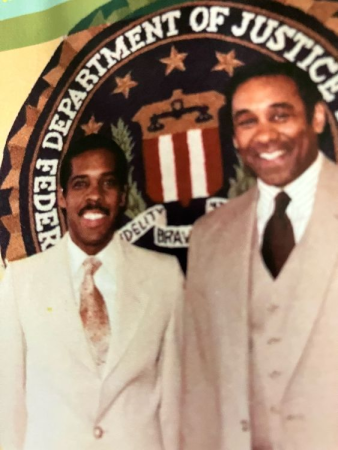
MY HERO: Wayne Davis FBI Director in-charge Detroit Office
The next day, he took me on a tour of FBI Headquarters. After retirement, Wayne was a guest on Inside Sports during Black History Month. He was a class act and a great human being (RIP). We talk about someone going too soon-meet Wayne Davis.
You will not believe where I would meet Marvin next-Las Vegas. He owned a stake in undefeated welterweight boxer Andy Price’s managerial contract.
The evening before the fight, he was in attendance at the weight-in. My role, I was the Checks & Balances for Sugar Ray Leonard early in his career-before fame and fortune.
The fight was being held at Caesars Palace in Las Vegas in September 1979. During the weight-in Marvin spotted me and came over to my side of the room. His first words, “Harold Bell what in the hell are you doing here in Las Vegas?”
My response, “I could not catch up with you in DC or Detroit, I thought, let me try Las Vegas”. We hugged and laughed.
I told him I was hanging out with Sugar Ray. His response, “After Andy knocks him out, you will be hanging out with me.”
He apologized for not following up with me, in DC and in Detroit. He said, “In Detroit, I was completely out of it, but I did make the fight and tried to call you but I could not reach you-bad reception”. Famous last words.
We made plans to have breakfast on Sunday morning and play tennis after the fight on Saturday night. Sugar Ray had other plans.
Marvin, was serious about Andy beating Ray. I just laughed and said, “It should be a great fight with two undefeated boxers”.
On Saturday night September 28, 1979, Sugar Ray Leonard famously knocked Price out with a flurry of punches just 8 seconds before the end of the first round.
Marvin sang the national anthem before the main event. He had hardly made it back to his ringside seat-and the fight was over.
I was blown away of how quickly Sugar Ray Leonard destroyed Andy Price in round-one. I looked at Marvin, he was in shock.
George Nock (NFL/Artist) and I had traveled to Las Vegas together and he said, “Do you think Marvin is going to meet you for breakfast in the morning”? My response, “Hell No”.
Surprise, Marvin woke me up around 7:30 am and his firs words, “Come on man let’s go eat, meet me at Caesar’s Palace in an hour.”
I woke George up and told him Marvin had just called. It looked like we were going to have breakfast after all.
We spend a couple of hours at breakfast talking about our DC hometown and Inside Sports. He was not surprised that Ali called me for the first and last interview after The Rumble in the Jungle. Ali tolerated major media-he did not trust them.
Marvin said, “That guy is one amazing human being. I cannot wait to see the interview with you and Ali on my next trip home.”
Marvin, wanted to know what were my plans for the future. I told him, I was thinking about running for the DC City Council. His response, “Let me know how I can help.”
Diana Ross was appearing in the theater at Caesar’s that evening and he wanted to know whether I wanted to attend the show. I said yes, “Tickets will be at the ‘Will Call Window’ for you and your guest”. That was my last conversation with him.
He never made it back to DC to watch my Muhammad Ali interview. He was shot and killed by his father, Marvin Gay Sr., on April 1, 1984 (just one day before his 45th birthday) inside his parents’ Los Angeles home.
The fatal shooting was the culmination of years of deep-seated tension, physical abuse, and a volatile environment, sparked by a history of abuse back to Marvin’s Do-Wop and high school days.
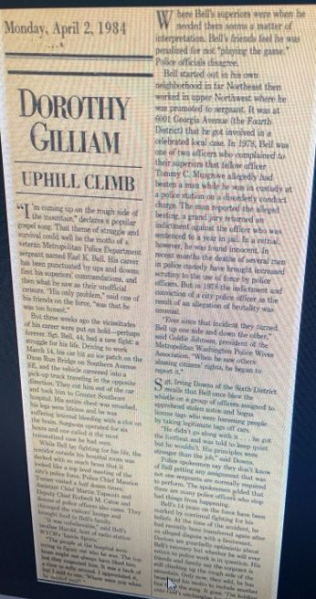
Washington Post columnist Dorothy Gilliam wrote a lionizing column of the trials and tribulations of a 14-year DC Police Department veteran, Sgt. Earl K. Bell. The column is dated April 2, 1984, one day after Marvin Gaye was shot and killed.
I know exactly where I was when I heard Marvin had been shot and killed by his father, Marvin Gaye, Sr. I was traveling on Southern Avenue SE DC on the way to see my brother, Sgt. Earl K. Bell aka “Bull Bell”, a patient in SE Community Hospital.
It was a beautiful bright sun shiny day and I was cruising along listening to WOL Radio-it was April 1, 1984-April Fools Day. Suddenly, the music stopped and the DJ broke in and said, “Marvin Gaye was shot and killed by his father in Los Angeles today”.
I pulled over to the side of the road and started to cuss the DJ out for making such an outlandish April Fool’s joke, only to discover it was no joke.
I was a couple of blocks from the hospital where my brother was in the ICU. He was involved in a head on collision with a sixteen wheeler on the same stretch of road of the hospital.
It was a cold March morning and he was on way to work at the Police & Fire Clinic. His car hit a patch of ice sending it head-on into a sixteen-wheeler truck. The emergency crew had to cut him out of the wreckage. I had to drive by the wreckage, I was told the emergency crew had to cut him out.
I have no clue how long I was parked on the side of the road crying, and trying to figure out how I was going to break the news to my brother Earl. He was a Viet Nam vet and “What’s Going On”, Marvin had dedicated to his brother Frankie a Viet Nam vet.
THE LYRICS: “Brother-brother-brother, there is far too many of you dying. You know we have got to find away to bring some loving here today, yeah”.
Marvin, dedicated the song to Frankie, but thousands of Viet Nam vets, black, brown, and white, including my brother adopted the song as their call to arms.
When I arrived at the SE Community Hospital’s ICU unit Earl was sleeping. I used that opportunity to sit quietly for about 30 minutes before slipping out of the unit.
When Marvin decided to move his family to the West Coast it was rumored, he did not want his father to be a part of the move. His mother would have none of it.
Marvin, like Ali was a flawed human being, despite their flaws they were Black and Proud, and proved it every day they lived.
My brother refused to do a third tour in the U. S. Army. He saw the handwriting on the wall, after the march on the downtown discotheque. He was a marked man.
“What’s Going On” was like a call to arms for my brother, and thousands of Black, Brown and White vets. He thought of the racism he and other Black enlisted men had to face in Manhiem, Germany during his second tour of duty for the U. S. Army.
He returned home to join the DC Police Department only to face the exact same racism, he thought he had left behind in Germany.
“The Code of silence and Thin Blue Line”, protected the corrupt and crooked cops on the department.
The Black brothers in white shirts resembled the lieutenants and captains in the U. S. Army, they were scared of their shadows when came to taking a stand against the systemic racism in the military.
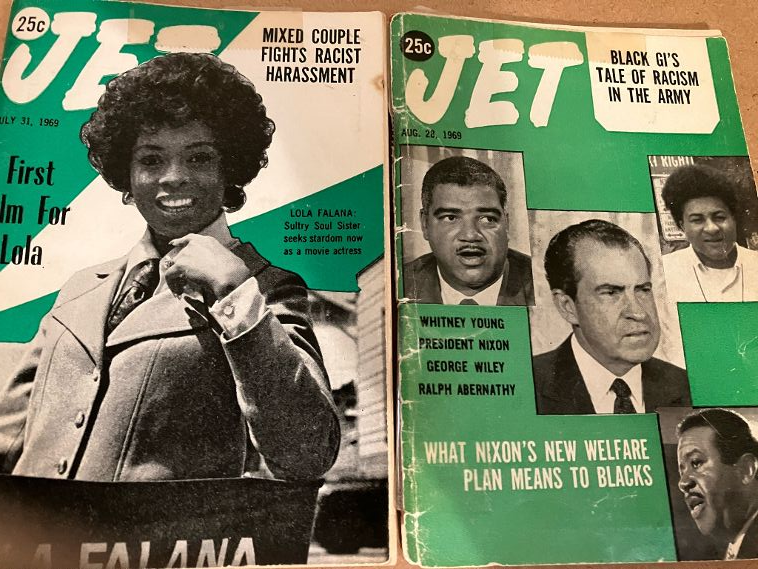
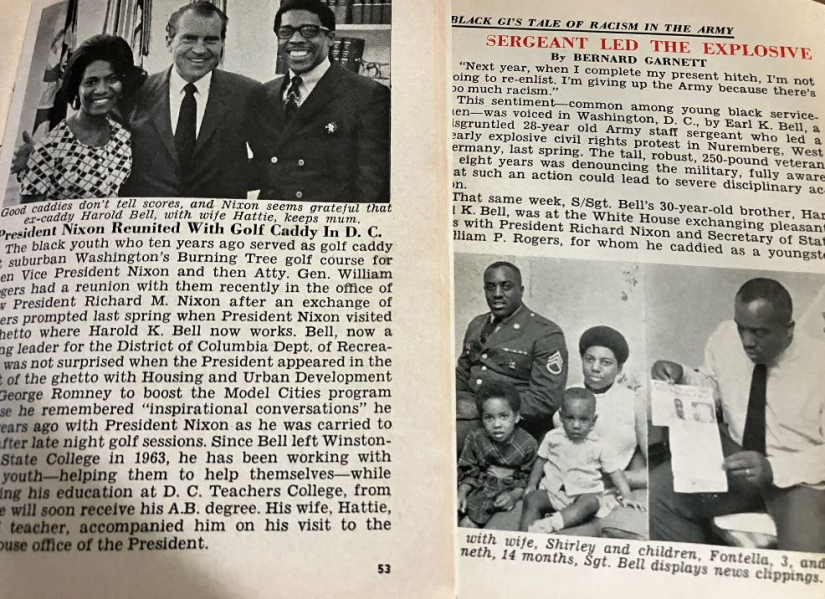
Jet Magazine made history when they published back to back stories on two Washington, DC brothers, Harold and Earl Bell. The 1969 July and August issues covered two brothers in the civil rights struggle worlds apart. Harold was at the Richard Nixon White House after accepting a Presidential Appointment. He caddied on the weekends for Vice-President Nixon while in high school. In the meantime, his younger brother a Staff Sgt. and an MP was leading a group of Black enlisted men on a march in downtown Manhiem, Germany at a Discotheque. The establishment refused to admit Blacks. Earl was also a Heavyweight Boxing Champion-a KO specialist.
When Frankie Gaye, Marvin’s brother came back from his tour of duty in Vietnam, he shared heavy, eye-opening accounts of the horrors of the war, the harsh realities soldiers faced overseas, and the struggles of trying to reintegrate into a deeply fractured American society was difficult.
Earl served a tour of duty in Vietnam and shared some of those same horror stories. War was really hell.
Rolling Stone voted Marvin Gaye’s What’s Going On (originally released in 1971) as the number one album of All-Time in 2020, When the Board of Directors completely revamped and updated their “500 Greatest Albums of All Time” list. “Whats Going On” replaced the Beatles’ Sgt. Pepper’s Lonely Heart’s Club Band.
The fatal shooting was the culmination of years of deep-seated tension, physical abuse, and a volatile environment, sparked by a history of abuse dating back to Marvin’s Do-Wop and high school days.
When Marvin decided to move his family it was rumored, he did not want his father to be a part of the move to the West Coast. His mother would have none of it.
“What’s Going On” was like a call to arms for my brother, and thousands of Black, Brown and White vets. He thought of the racism he and other Black enlisted men had to face in Manhiem, Germany during his second tour of duty for the U. S. Army.
Marvin, like Ali was a flawed human being, despite their flaws they were Black and Proud and proved it every day they lived.
He refused to do a third tour. He saw the handwriting on the wall, after the march on the downtown discotheque. He was a marked man.
THREE DUDES ON A DC STREET CORNER IN 1965
Marvin Gaye-there is a playground and park named after him a few blocks from 58th & Blaine Streets NE where we once lived. Thanks to Geradine “Peasy” Adams who initiated the campaign to have those two milestones in honor of his legacy.
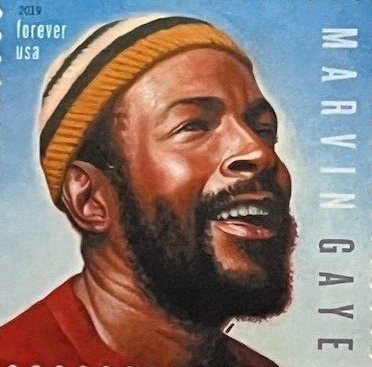
I was so proud in 2019 when the U. S. Post Office honored Marvin with a pictured postal stamp.
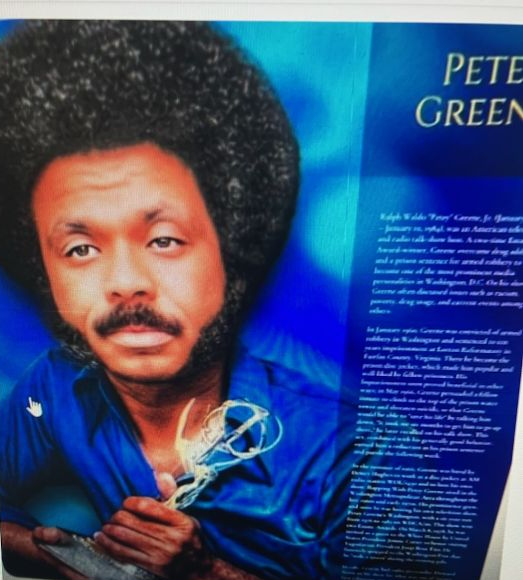
Petey Greene won two local Emmy Awards for his work on his groundbreaking Washington, D.C. television program, Petey Greene’s Washington. The movie of his life story produced by Dewey Hughes was by all accounts “The Dewey Hughes” movie. There were no DC ties to the movie. It was produced in Canada, Petey’s wife Judy and young living adult children, Petra and Pine did not participate.
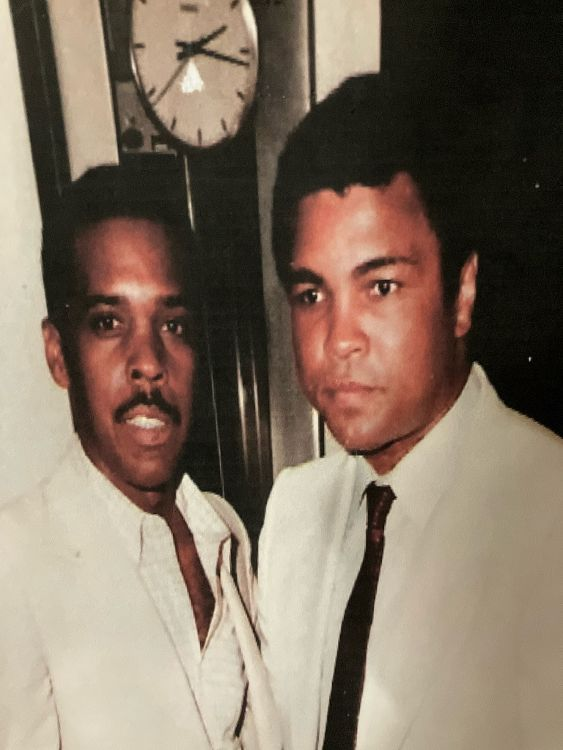
Harold K. Bell-in 1972 he found the sports talk radio format that changed the way we talk and report sports in America-INSIDE SPORTS. His confidant and friend Muhammad Ali gave him the first and last interview of his pro boxing career. Ali stunned the world in 1974 with his 8th round knockout of George Foreman in Zaire, Africa. He is the most influential sports talk media personality in the 20th and 21st centuries.
NOTEWORTHY: MICKEY GUYTON THE LAST WORD. WORLD SERIES-THE BREWERS 4 AND THE RAYS I
THE KARATE KID: GRANDMASTER FURMAN MARSHALL!

Furman Marshall is the founder of the oldest martial arts organization in the world and the founder of the oldest minority ski organization in the world–Black Ski.
He was born in Washington, D.C. and grew up in Northeast, N.E. He was educated in the DC public school system and was in the first graduating class of Spingarn High School in 1954. Spingarn is the home of NBA Hall of Fame basketball players Elgin Baylor and Dave Bing. The only public school in America with two NBA Hall of Fame players.
As the history of the martial arts over the last half century is recorded and documented, the name of Furman Marshall has attained iconic status. A former Marine and Action Hall of Famer, Supreme Grand Master Furman Marshall is a 10th degree black belt, who along with Fulbright Scholar Phil Cunningham, founded Simba DoJang in 1963. A student of legendary Ki Whang Kim and Soo Wong Lee, Furman has either personally promoted or sanctioned over 1,000 black belts in 20 Simba affiliated schools.
Prior to his retirement from the ring at the youthful age of 65, he was a fierce competitor with the likes of Joe Lewis, television action actor Chuck Norris and Joe Hayes. Furman stood only 5 feet 6 inches tall and weighed 168 pounds, he won hundreds of trophies and his mentees have amassed thousand of tournament wins. In 1977, Black Belt Magazine published an article proclaiming “Simba DoJang of Washington, DC is the winningest Karate Studio in the World.” His students have competed in Afghanistan, Canada, Russia and Spain.
It is hard to believe that Simba began in the basement in an area riddled with crime, you name the crime and it was found in this community in Southeast( S.E.), D.C.. Furman is credited with not only saving countless youth from drugs, violence, death and jail, but he transformed entire communities. He empowered neighborhoods. Prior to 1980 over 5,000 students had trained in Simba along with 30 black belts.
Furman’s business model was unique. It was “not for profit” meaning it was free to all. Kids who wished to participate in tournaments were sponsored by the group, who pooled their resources. Tournament winnings were reinvested so others could participate in future events. He made sure that Simba’s primary mission was to serve underprivileged students in the inner-city.
Furman, recalled in a story written in Black Belt Magazine, “I teach in the ghetto where I prefer to stay because of the need to help young boys and girls stay out of trouble.” For the next 45 years under Furman’s leadership, Simba‘s schools would start in no-less than 10 inner-city recreation centers. The centers were located in the most crime ridden areas of the Nation’s Capital. The crimes of rape, murder, muggings and robbery were a part of the landscape. Simba was not left unscathed, on several occasions Simba was challenged by the hoodlums and thugs of The Hood to co-exist in the same space. Intimidation and attempts at disrupting classes occurred. Furman bravely alone ‘invited the intruders to meet with him ‘Outside.’ What occurred afterwards is the substance of ‘Urban Legends.’ It is safe to say, no one interfered with Furman’s mission to teach the under-served again.
As Furman Marshall fought his way around the world to become a legendary martial arts icon, he gained that iconic status by meeting and beating other Black Belts along the highways and byways of the World. On one occasion he would encounter movie and television action actor, Chuck Norris. The two would meet in the finals of one tournament with Furman coming away as the victor.
Chuck Norris in action , appearing with the legendary Bruce Lee in the movie “Way of the Dragon”as a Black Belt karate instructor in the movie ‘Enter the Dragon’ and as a Texas Ranger in the long running television series of the same name.
I met Furman on a northeast (N.E.) D.C. playground where he was already a “Playground Legend.” On the weekends, I would leave my housing project in N.E. and walk several miles to historical Kelley Miller playground. This is the playground where future NBA Hall of Fame players, Elgin Baylor and Wilt Chamberlain, met in a showdown, when they were student/athletes at Idaho and Kansas respectively. On any given weekend, you could shoot hoops with some of the best players in the city and Furman and legendary martial arts’ icon, John Womble, were among them.
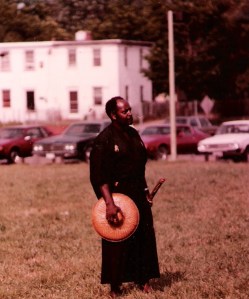
My hero and legendary black belt martial arts warrior and a brother in the struggle, John Womble. Kelly Miller alumni and black belts Furman Marshall, and Bobby Lee, all followed in his footsteps.
Furman and I would join forces as adults, when we became youth advocates through the D.C. Parks and Recreation Department. We returned to our roots, the D.C. playgrounds, which were used as our vehicles to enhance the growth of inner-city children through the martial arts and the games of sports—I followed his lead.
There were bumps in the road and the challenges were many. We met our share of bullies and thugs along the way who threatened our very existence.
Furman not only defended Simba‘s right to exist in the inner-city, but through this determination, he set an example as a role model for his students and the entire community. He led by example; he neither smoked nor drank, nor used vulgar language (I, myself, got two of the three right); not a disrespectful word was heard by coaches or players on any given Sunday in the NFL, NBA and in Major League Baseball arenas around the country, when Furman Marshal was there. Any lack of courtesy or disrespect in his class was off-limits. Low hanging, beltless jeans were never allowed. The brothers who were not in his class and chose the corner to hangout, didn’t get a free pass either, when he met them on their turf (street corners). He would let them know their pants were hanging a little too low, and, that to gain the respect of others, you had to show outwardly, that you have respect for yourself. Furman believed that “Respect begins first with the individual and then, continued in their presence to others!”

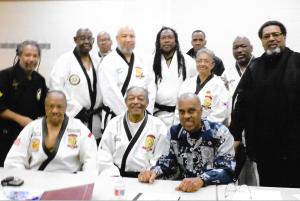
In November of 2015, the Simba DoJang Martial Arts World Federation,LLC, the registered oversight organization for Simba Do Jang, honored Harold Bell by naming him to its Executive Advisory Board, making him the first non-black belt civilian so honored.
People have often asked Furman how he came up with the name Simba for his martial arts school? Furman’s response, “simba” means “a lion“. A lion represents strength and staying power.” Simba DJ also challenges minority kids to think outside of the box by trying non-traditional sports. Character building, discipline, and hard work have always been the linchpins of Simba. Fundamental to Simba is respect for all human beings, regardless of differences. It is little wonder that Simba schools are diverse, welcoming all races and creeds. Schools have opened in DC, Maryland, Virginia, New York, Kansas, Hawaii, Oklahoma, Nevada, Alaska and Afghanistan.
Never to rest on his laurels, Furman saw challenges as an opportunity to excel. He was a champion skier and one of the founders of Black Ski, the first black ski club in America; he was a champion drag car driver and motorcycle racer. He was also the founder of the Renegade Racing team, a champion skydiver, a champion tennis player, scuba diver, hand glider, water skier, horse back rider, and all around athlete in football, basketball and baseball.
It was not enough for Furman to expand his own sports horizons, but he wished to widened opportunities for black youth. He does not believe in the word “can’t.” In a 1993 article written in the Washington Post, he said, “I just want to be a living example to minority youngsters to show that they can do anything they want to do; they just have to learn to control their fears. That’s all that prevents them from being karate champions, Olympic skiers, sky divers and anything else they can dream. I have a moral obligation to see that they can be all that they can be.” Truly, Furman is a visionary leader ahead of his time.
To expand minority youth geographic horizons, he organized trips for the kids to go horseback riding, skiing, roller skating, and cycling– far and beyond the streets of the inner-city. In only a year, Black Ski was the largest club of its kind in America with over 700 members. The club sponsored trips to Canada, Vermont, and Colorado, members even skied on the Olympic tracks. For those students who could not afford the trips, Furman would raise funds from numerous doctors and lawyers who had also joined Black Ski.
In 2012, he was honored as “The Ambassador of the Martial Arts.”
When asked what motivated him, his response was, “Just changing the lives of young people to become positive citizens.” Over a 45 year time period, many of these young people have not only become some of the nation’s most respected martial artists, but leading politicians, lawyers, doctors, educators, law enforcement officers, and government officials.
I remember one incident, when I had to turn to my friend Furman and ask for help. I encountered an out-of-town bully from Philadelphia, who refused to pay me the remaining $5,000 for a boxing promotion at the Lincoln Theater several years before. It was all done on a handshake and a security deposit of $1,000.
Evidently, the bully felt, that he didn’t have to pay the remainder $4,000, after I helped him sell out the show. The bully and I rode around D.C. all week-long, leading up to the fight– in his all white stretch limo, shaking hands, and meeting the press. Kamal Ali, the now CEO of Ben’s Chili Bowl, allowed us to use the restaurant’s upstairs office as our meeting and contact point. I hired Furman and Simba as my security. The crowd control provided by Simba was done quietly and efficiently. After the fight that night, the Bully and my friend and college roommate, then D.C. Boxing Commissioner Dr. Arnold McKnight, called me up into the ring. They introduced and thanked me for helping to make the show a success.
The next morning, I was to meet the Bully at Ben’s to close-out our ‘agreement’—my bad. He was a no-show. He had left town without a trace or a word.
The bully refused to answer my cell phone calls and I eventually tracked him down by his home telephone number in Philadelphia. My friend and NFL legend, Johnny Sample, who had referred him to me, provided the number. I made the call to his home around 6:00 a.m. on a Saturday morning. He was surprised and angry to hear my voice on the other end of the line. When I asked him for my money, he went into a rage and called me everything but a child of God and then threatened to kill me. I calmly ask him–” where and went? ” He answered, “I will make it easy on you, I will be in D.C. for a boxing show at the National Guard Armory on Saturday.” My response, “I will see you there.”
My next call was to Furman, and after I explained what had happened, he said, “I got it and you be cool; we will be there.”
We knew his entourage might be packing guns from an encounter with Simba earlier, during a security check at the Lincoln Theater. Simba security had made them produce the licenses for their hardware, before they were allowed into the theater and they were pissed-off about it.
The following Saturday, we arrived at the Armory, to find the bully from Philly had parked his limo on the sidewalk in front of the Armory. I wanted to arm myself, but Furman warned against it and said “My security team is licensed to carry.”
I was really angry, because this was a sign of disrespect and intimidation. But, Furman was cool and said again, “Harold Bell be cool; we got it!”
We got to the entrance to the Armory and guess who was standing front and center, the bully and his entourage, laughing and joking with some fans they had met at the Lincoln Theater outing, I guess. Furman and six Simba security followed me in, with Furman whispering to me, “Be cool; let them make the first move!” It was like Moses and the parting of the Red Sea, the bully and his entourage moved to one side and made a path for our entry.
It seemed like I tried my best to die that evening. I had fliers printed up with the Bully’s and Don King’s photos side by side, calling them both boxing pimps and thieves. The Bully and his entourage had ring side seats; and, without telling Furman, I started passing out the fliers, handing the Bully his personal copy. After the fight was over, we walked back out of the Armory without incident– right by the Bully and his entourage standing by his limo.
I never got the rest of my money, but staring that bully down— was PRICELESS!
Evidently, my friend Johnny Sample got on his case in no uncertain terms. The Bully called Boxing Commissioner Arnold McKnight, who was scared to death as to what might happen to me. The message he gave Dr. McKnight was, “Tell Harold Bell, I am not looking for any trouble.”
The next time I would see the Bully and his entourage was the following year; they were in attendance at a Liala Ali Championship fight in Bowie, Maryland. The fight took place at the Bowie Baysox Baseball stadium. I was walking around ringside, killing time alone, when I spotted him and his entourage in the crowd, but this time, they were sitting back in the crowd and not at ringside. This was strange for a guy who loved being seen in crowded places shaking hands and playing “Mr. Big Shot!” I left the stadium that night looking over my shoulder, but feeling like ‘Mission Accomplished.’
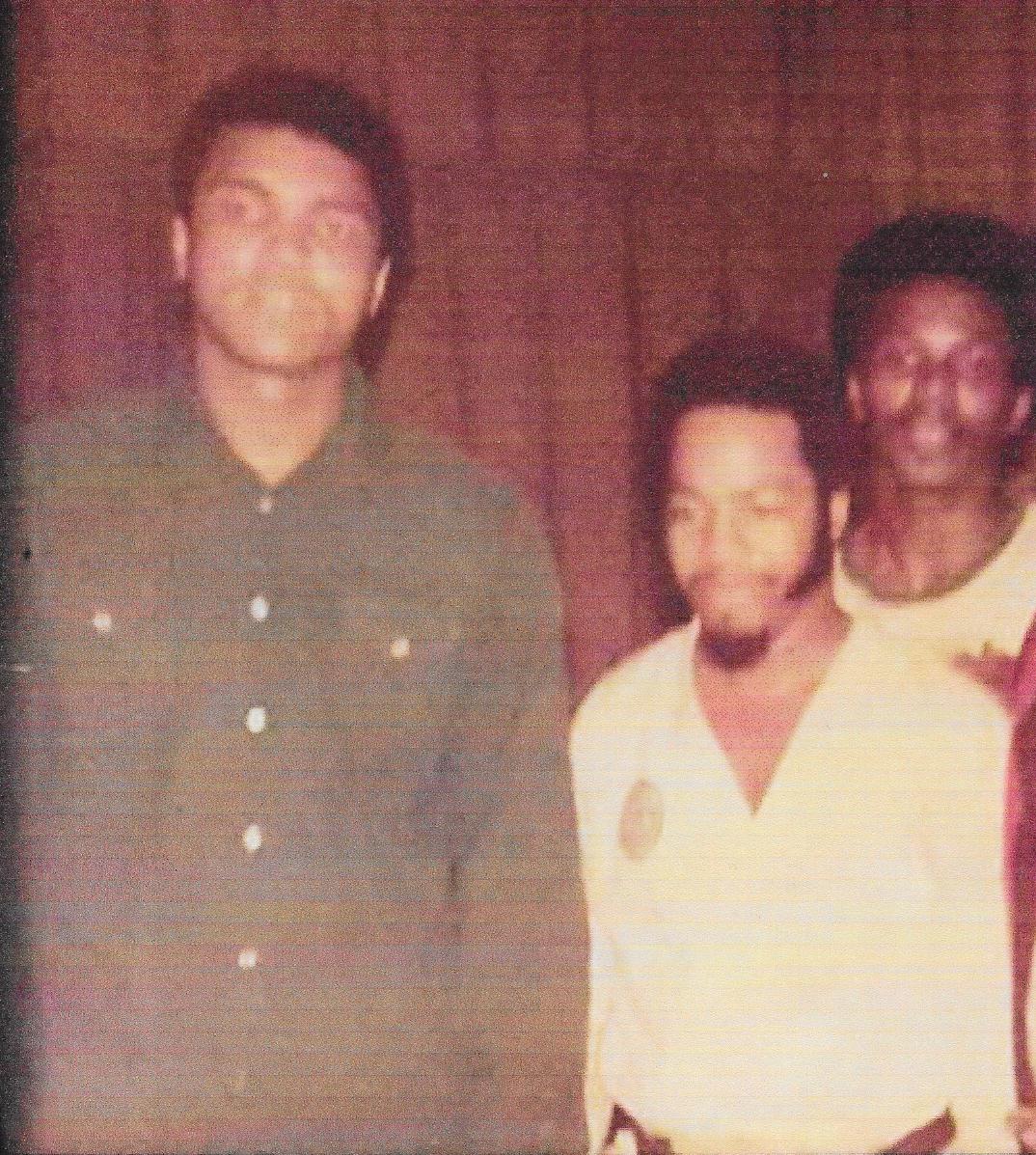
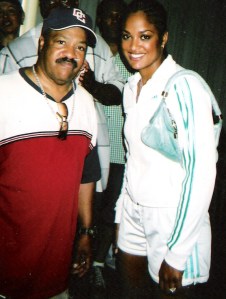
The Grand Master Furman Marshall and Muhammad Ali and the undefeated champion Liala Ali—proving an acorn does not fall too far from the tree.
It is easy to see why Jhoon Ree, the God Father of Tae Kwon Do in America refers to Furman Marshall, ‘as a humble and kind man’ I concur.
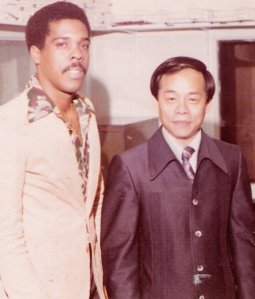 “Nobody bothers me” Jhoon Ree visits the studios of Inside Sports
Note Worthy: This story was copied from the 2014 edition of The Martial Arts Action Magazine. (author Bob Maloney, J. D.)
Today, the Simba Do Jang legacy, now trademarked registered, is held sacred as an affiliate with the oversight of the larger, trademark registered organization, The Simba Do Jang Taekwondo World Federation, LLC., Grand Masters Marshall & Cunningham with chosen CEO, Master Wesley D. Spires, a Simba Do Jang Master Instructor.<img
AMERICA: WE ARE THE WORLD AND THE CHILDREN ARE WATCHING!
 South Africa Hilton College students found the Ben’s Chili Bowl experience “Awesome”
 The Ben’s Chili Bowl brain trust, CEO Kamal Ali and founder Virginia Ali with DC Historian and Youth Advocate Harold Bell
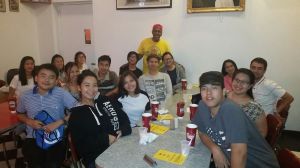 Students from the Philippines wanted to know “When are you bringing Ben’s to the Philippines?”

Students from Bristol, England–next stop Capitol Hill to meet the politicians
When legendary musician Quincy Jones produce and directed the song “We Are the World” for charity in 1985 the guest artist participating were a Who’s Who of the music world. The goal was to raise money for the famine taking place in Ethiopia where little children and their parents were literally starving to death. Quincy send out an SOS to all divas (male and female) and the response was nothing short of amazing. The only requirement for participation, “Check ego at the door.”
When Ben and Virginia Ali open Ben’s Chili Bowl in 1958 the diners were a Who’s Who of entertainers, politicians, sports personalities and everyday people in Black America. They could be found on the U Street corridor aka Black Broadway on any given evening but the weekends were always buzzing.
I remember, I was in middle school when I first heard of “Black Broadway.” On the weekends my mother and her sisters, brothers, cousins and friends from our NE Parkside Housing Project would meet at my house. They would all be dressed up (clean as chittlings) and I would ask “Mommy where are you guys going?” And her response would be ‘We are going downtown to party!’ I was still in the dark because I thought downtown was by the White House located at 1600 Pennsylvania Avenue, NW, but I later discovered that the U Street NW corridor was considered downtown in the black community. In our community there was a bus company called Capitol Transit and on Sundays three would be allowed to ride on a pass to close out the week. Someone in the group would get a pass from their parents so that we could joy ride to what we thought was downtown. To get all of our crew on the bus we would open one of the windows and hand the pass out to three other guys at each stop on the route out of the projects. Sometimes there would be 15 to 20 guys on the ride. The bus driver was not fooled but we never coursed him any problems and he looked the other way. Sometimes he would act like our tour guild pointing out the landmarks.
 The Matriarch and hero of the Tyler/Bell family, Amy Tyler Bell aka Grandma Bell and her grand-children. Standing L-R cousin, Carole, brothers HB, Earl, Bobby. Next to Grandma, cousin, Ronnie and cousin Tommy
 The Black Broadway crew of NE in photo before heading down to the U Street corridor for a party over here and a party over there. Mommy B standing center in the back with white pearls around her neck.
The bus would take us down in front of the White House which was across the street from Lafayette Square. The driver would make a U turn and bring us back to the projects and that is why I thought was downtown was by the White House. The U Street NW corridor “Black Broadway” was downtown to my mother. There was a ‘Broadway’ in New York City but black folks were never made to feel comfortable there. They were treated like ‘Outsiders.’ The more things change the more they remain the same.
In the 40s and 50s the U Street corridor aka Black Broadway was where the black community let its hair down on the weekends. There you could walk shoulder to shoulder with some of the greatest entertainers, politicians and sports personalities in America. They included, Ella Fitzgerald, Count Basie, Duke Ellington, Billie Holiday, Dick Gregory, Dinah Washington, Nat King Cole, Miles Davis, Nina Simone, Pigmeat Markam, Redd Foxx, etc.
My brothers and I spend our early years with Grandma Bell. The closest we got to “Black Broadway” was our place of worship, Mount Airy Baptist Church. The church was located in walking distant of the U Street corridor at North Capitol and L Streets, NW, but my brothers, cousins and I were never out of sight of Grandma Bell on Sundays. Our leisure time was spend visiting the sick and shut-in at the housing project Sursum Quarters surrounding the church and on Wednesdays we would sometimes visit Freeman’s Hospital. My community involvement is not by accident.
The Bell/Tyler family settled in Washington, DC in the Early 1800s my Great-Grandfather Alfred Johnson Tyler laid the first brick to build Mount Airy in 1893 and was named Pastor in 1906 and served in that capacity until he went home to be with the Lord in 1936. My Great-Uncle the Rev. Earl Tyler was his successor until he went home to be with the Lord in 1958. The Tyler House a senior citizen complex two blocks north of the church is named after him.
 A monument to my Great-Grand father, the Rev. Alfred Johnson Tyler in the lobby of Mount Airy Baptist Church in DC
My brother Bobby, Earl and I attended Burville Elementary School together and church would become our home away from home. It was not unusual for us to be in church three to four days a week and all day Sunday. My Great-Uncle the Rev. Earl Tyler could preach like ML King, and sing like Marvin Sapp. Grandma Bell played the organ and directed the choir of heavenly voices that included, my aunts and uncles. Every Sunday was a revival—this was real church. On Sundays if you were 5 minutes late there would be standing room only.
In the 50s my brother Earl and I moved to the housing project with our mother Mattie Bell aka Mommy B and Bobby the oldest stayed with Grandma Bell. In 1955 against all odds I entered Spingarn High School. My middle school Principal, Mr. William B. Stinson had predicted to my mother after one of her frequent visits, he said, “Mrs. Bell you are not going to have to worry about Harold too much longer, I doubt if he lives to get to high school.”
Our father Alfred was a “Dead Beat Dad” in every sense of the word. The Temptations described him to a Tee with with their classic vocal ‘Poppa Was a Rolling Stone.’ My heroes growing up were not black men or black athletes, my heroes were black women, my grandmother, mother and my aunts.
My mother and grandmother’s efforts to keep me and Earl from going to hell in a hurry was to no avail. We continued to act like dam fools outside of the church and our home. Earl had turned to yoke robbery and hitting cash registers on the weekends on the busy H Street corridor in NE (now Capitol Hill). I would join him and his crew on a couple of outings, but it was too much drama for me. I decided to return to carrying groceries on the weekends at the Safeway. In 1957 thanks to one of my neighbors and homies from the projects, Jody Waugh, I discovered Burning Tree Golf Course. He convinced me I would triple my income at the golf course and I did. It was here I met my mentors, Petey Greene and President Richard M. Nixon.
 L-R Roland ‘Fatty’ Taylor (NBA), Larry Brown (NFL) and Petey Greene chilling out at Kids In Trouble Saturday Program
In the meantime, Mommy B aka Mattie Bell got fed up with her monthly Relief/Welfare check she was receiving. She thought she could do better so she started to put her cooking skills with her specialty fried chicken (put Colonel Sanders to shame), chittlings, home-made potato salad and cakes and pies to good use. She sold dinners on the weekends. On Friday evenings family and friends would be lined up outside of our door sitting on the porch and curve waiting for the dinners. This led her to selling bootleg liquor and having card games (piddy pat and poker). She cut ten cents on every dollar won. She was hitting the number so much, the book maker for our housing project, Mr. Billy Jackson turned over his territory to her and gave her a cut of the book. Mommy B was the projects’ Donald Trump long before Donald Trump and Atlantic City. Somewhere during that era my youngest brother William Sterling aka Billy aka Puddin aka Tyrik was born.
Almost like any success in the black community and especially financial success, envy and jealousy were just a step behind. My mother’s Achilles Heel, was a big heart and she never learned to say, “No” to anyone who needed a helping hand. Suddenly, the cops started to raid our house on the weekends taking my mother out in handcuffs while Earl and I sit on the steps crying. She would stop and kiss us and say, “I will be back in time to take you to church in the morning” and she would. The raids would happen at least one a month. She would move the card games and the bootleg liquor to other locations in the neighborhood. But the cops had a snitch in the community and they would know her every move.
Trying to stay one step ahead of the cops and the snitch, plus three active boys would prove to be a little too much for her. Mommy B had a nervous breakdown in 1957 and was institutionalized at St. Elizabeth’s Mental Hospital. My younger brother was taken in my our next door neighborhood Ms. Winnifred Powell and her sons, Sonny and Gaylord, Earl was shipped off to the reform school for boys. I was homeless and left to fend for myself. I slept in parked cars until Doretha my mother’s cousin found me sleeping in her car one morning. It was around that time I was coming into my own as an impact athlete at Spingarn High School, meaning I could win or lose a game for my team. When the game was on the line I wanted the ball in my hands. This just give me the ball attitude kept me in hot water and sometimes in the doghouse with my teammates and coaches. I cost my baseball teammates a city championship when Coach Leo Hill kicked me off the team for selfish and reckless behavior on the field of play. Basketball coach Rev. William Roundtree gave up on me when I decided to change my role as primary defender to primary shooter and football coach, Dave Brown locked me on the bus at half-time in a game against rival Phelps for selfish and unreasonable behavior. The team won without me, 6-0 on a 63 yard punt return by QB Donald Wills. The only thing that saved me from the mean streets was an apology to my teammates and the coaching staff on the team bus. Coach Brown would take charge of my life from there and the rest is community and sports media history.
 I took time out to say thank you to coach Dave Brown and other Spingarn teachers and administrators at a luncheon in their honor in 1978.
High Lights:
1958 Named first team All-High Wide Receiver DC Public Schools (Spingarn High School)
1959 Accepted athletic scholarship to Winston-Salem State University–saved my life.
1965 hired by United Planning Organization (UPO) as a Neighborhood Worker with Petey Greene and H Rap Brown
1968 In the forefront of the riots in the U Street corridor. Married Hattie Thomas and found non-profit Kids In Trouble, Inc
1978 Pioneering radio show Inside Sports picked number one talk show by the Washington Post
1988 Harold Bell Sounds Off Washington Post publish front page story on the lack of equal opportunity for blacks in sports broadcasting
Civil Rights Up Close & Personal:
In college in Winston-Salem, NC (1960) when students from North Carolina A & T staged restaurant sit-ins
In college when 14 year old Emit Till was murdered for whistling at a white woman
In college when Civil Rights advocate Megar Evers was murdered by a shotgun blast in his driveway
In DC and in attendance for the 1963 March on Washington and Rev. King’s, I have a Dream Speech
In DC on September 1963 when 4 little black girls were blown up in their church
In 1965 I was hired by United Planning Organization (UPO) as Neighborhood Worker with Petey Green and H Rap Brown
In 1968 I was on the front lines of the riots on the U Street corridor (Roving Leader DC Recreation Department)
Looking back and at today’s race relations in America it makes one wonder are we regressing?
Quincy Jones was 19 years old when he made an observation as it related to racism in America in 1941. He was traveling with band leader Lionel Hampton to Europe, he said, “It turned me upside down, altering my view of racism in my country.”
‘It gave you some sense of perspective of past, present and future. I took the myopic conflict between black and white in the United States and put it on another level because I saw the turmoil between the Armenians and the Turks, and the Cypriots and the Greeks, and the Swedes and the Danes, and the Koreans and the Japanese. Everybody had these hassles, and you saw it was a basic part of human nature, these conflicts. It opened my soul, it opened my mind.’ What a sad commentary on the human race.
Quincy forgot to throw Native Americans and European Americans into the mix
It has often been said “If you don’t know your history you are bound to repeat it.” AME Church in Charleston, S. C. June 2015 nine died!
Thanks to my heroes, Grandma Bell, Mommy B, Ms. Winnifred Powell, Coach Dave Brown, Coach Clarence ‘Bighouse’ Gaines and last but not least my wife Hattie T, 1965 marks 50 years of working in the U Street corridor with youth gangs and at-risk children. In the end all the glory goes to God.
“Until the lion is able to tell his story, the hunter will always get the glory”

