INSIDE SPORTS: THE FOOT PRINTS IN THE SPORTS MEDIA SAND!
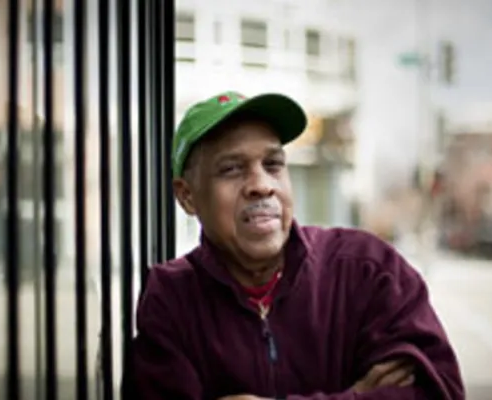
HAROLD K. BELL AND INSIDE SPORTS AGAINST ALL ODDS!
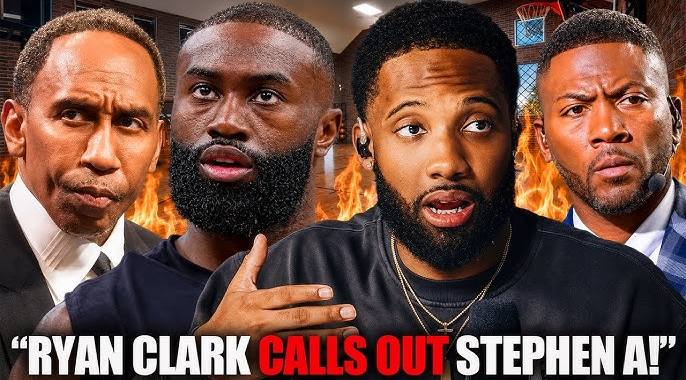
SUPER STAR ATHLETES CALL OUT THE BIGGEST FRAUD IN SPORTS TALK IN THE 21st CENTURY-STEVEN A. SMITH. SMITH, NOW HIRES A BODY GUARD WHEN HE IS OUT IN PUBLIC.
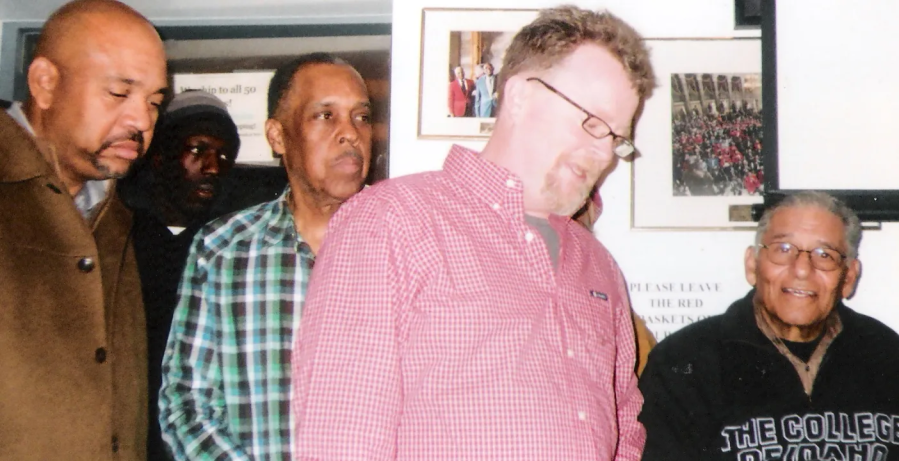
“ESPN’s Mike Wilbon and sports writer, Dave McKenna, join me to pay tribute to DC legend Gary Mays at Bens Chili Bowl in DC.
There is a difference between ownership and true independence versus being a highly paid employee in modern corporate sports broadcasting, proving “God Bless the child that has his own.” Meet, Jaylen Brown and Ryan Clarke.
When I found and pioneered my Inside Sports format in 1972, I built a model rooted in total autonomy: buying my own time, securing my own sponsors, and retaining complete editorial control over my commentary, and guest list.
Because I was not on a network’s payroll or beholden to executive mandates, nobody could force me to “stick to sports” or censor my truth.
While modern figures like Jaylen Brown and Ryan Clark have amassed massive wealth and significant platforms, their dynamic with corporate media showcases the inherent tension of the current era: Meet, Harold K. Bell and the Original Inside Sports.
1. The Corporate “Invisible Leash”
Athletes and media personalities today have more reach than ever, but as long as their primary paycheck comes from a corporate entity, broadcast network, or league partner, there are boundaries.
- Ryan Clark: Even as an Emmy-winning analyst making top-tier money, Clark operates within the parameters of major television networks. The moment an analyst speaks too unfiltered or pushes past the network’s comfort zone, executive pressure, ad-sponsor friction, corporate pushback follows quickly.
- Jaylen Brown: Despite signing a historic contract extension and winning NBA Finals MVP, Brown has routinely called out mainstream media narratives and “anonymous sources” like Stephen A. Smith who try to box him in or discredit his intellect. He actively pushed back against the media machine, but he constantly has to fight the narrative spin engineered by rights-holding networks.
2. Financial Freedom vs. Freedom of Speech
There is a stark distinction between financial success and uncensored autonomy:
- High salaries buy financial security, but they do not automatically buy complete ownership of the message.
- When corporate sponsors and multi-billion-dollar TV rights drive the engine, network executives inevitably prefer sanitizing hot takes over deep, uncomfortable truths—especially around social issues, labor struggles, and institutional hypocrisy. Meet Harold Bell and Inside Sports.
3. The Pioneer Advantage
What made Inside Sports ahead of its time was that it removed the middleman entirely. By controlling the airtime, securing the sponsorships directly, and keeping the final cut of the commentary, proved editorial freedom can’t be given—it has to be owned. Meet Harold K. Bell and Inside Sports.
Today’s athletes and broadcasters are slowly realizing this, which is why so many are launching independent podcasts and production companies. Yet, few have matched the raw, unedited leverage I created decades ago when I insisted on having the first and last word on my own airwaves.
“Mama may have, Papa may have, but God bless the child that’s got his own.”
Billie Holiday, said it best, and nothing summarizes my journey with Inside Sports quite like that line.
When you buy the airtime, own the master tapes, bring in your own sponsors, and set your own editorial standard, you aren’t waiting on a network executive’s blessing, a corporate sponsor’s approval, or a programmer’s permission.
Most people in media and sports spend their careers renting space on someone else’s platform. When corporate interests shift, or when someone in power decides a message is too bold, the rug gets pulled. But when you own the platform from the ground up, nobody can quiet the commentary or tell you who can and can’t sit in your studio-Meet Harold K. Bell and Inside Sports.
That independence was rare in the 70s, 80s, and 90s, and it’s arguably even rarer today in an era dominated by corporate media monopolies. Having my own—my own vision, my own leverage, and my own voice—is the ultimate freedom in broadcasting.
The evolution of ESPN’s “Stick to sports” directive under ESPN President Jimmy Pitaro—and how independent podcasts forced the network’s hand—is a textbook study in corporate control vs. talent autonomy-Meet Harold K. Bell and Inside Sports.
1. Why Jimmy Pitaro Originally Enforced “Stick to Sports”
When Jimmy Pitaro took over as ESPN President in 2018 (following John Skipper), the network was facing heavy backlash from conservative viewers, politicians, and advertisers after high-profile political commentary on-air (most notably Jemele Hill calling Donald Trump a white supremacist on Twitter in 2017).
Pitaro came in with a mandate to stabilize subscriber drop-offs and reassure corporate advertisers. He implemented a strict political policy:
Jemele Hill saw, “Ryan Clarke’s hand writing on the wall.” She decided to meet with the “Big Boys”, in charge, and quietly walked away.
- The Mandate: Talent was instructed to avoid purely political commentary unless it directly intersected with a major sports story.
- The Enforcer: In July 2019, when host Dan Le Batard spoke out on-air against Donald Trump’s rally chants, and criticized ESPN’s own policy as “cowardly”, Pitaro issued a stern reminder to all staffers to stick strictly to sports.
2. Why Pitaro Was Forced to Adjust
Pitaro’s mandate collapsed under the weight of real-world events between late 2019 and 2020:
- The Intersection Became Unavoidable (2020): Following the murder of George Floyd and the sports strikes in the NBA bubble, athletes themselves (LeBron James, Bubba Wallace, the Milwaukee Bucks) made racial justice and politics central to sports. ESPN literally could not report on game cancellations, athlete boycotts, or league statements without discussing politics and race. Meet Harold K. Bell and Inside Sports
- The Loss of Authenticity: Enforcing a gag rule made ESPN commentators look detached and unnatural compared to athletes who were speaking openly. Pitaro was forced to publicly concede that when social issues directly involve athletes and leagues, ESPN commentators had to be allowed to speak candidly. Meet Harold K. Bell and Inside Sports
- 3. Podcasts and Outside Outlets Changed the Game?The rise of independent podcasts completely exposed the limits of ESPN’s corporate leash: Meet Harold K. Bell and Inside Sports.
- The “Two-Tone” Talent DynamicTalent quickly realized that while ESPN paid massive base salaries, the network owned their airtime and censored their opinions. Commentators began using podcasts—either independent ones or outside network platforms—to express what they truly felt: Harold K. Bell and Inside Sports.
-
- Dan Le Batard: Frustrated by ESPN’s restrictions on his political and cultural commentary, Le Batard negotiated an exit from ESPN in early 2021 and launched his own independent company, Meadowlark Media. His podcast became a massive commercial success precisely because he wasn’t constrained by ESPN executives. Meet Harold K. Bell and Inside Sports.
- Jemele Hill & Michael Smith: After being squeezed out of their 6 PM SportsCenter slot for being “too political,” Hill left for podcasts (Unbothered, Spotify, iHeart) where she built a loyal audience without network censors.
- Meet Harold K. Bell and Inside Sports.
- Stephen A. Smith & Pat McAfee: Recognizing where media was heading, modern stars demanded independent podcast rights. Stephen A. Smith launched his own independent YouTube/podcast show (The Stephen A. Smith Show) where he discusses politics, pop culture, and social issues without ESPN’s standards-and-practices division breathing down his neck. Pat McAfee licensed his daily show to ESPN while retaining full ownership and editorial control over his independent production. Stephen A. Smith and Pat McAfee-Meet Harold K. Bell and Inside Sports.
- The Executive Reality CheckPodcasts proved two things to corporate executives:
- Audience Appetite: Sports fans didn’t hate political or social commentary; they hated sanitized corporate posturing. Raw, authentic podcast conversations pulled massive engagement-Meet Harold K. Bell and Inside Sports.
- Meet Harold K. Bell and Inside Sports.
- Pitaro had to loosen the reins because the podcast boom proved that creators who own their feed have all the leverage, while networks attempting total control risk becoming obsolete-Meet Harold K. Bell and Inside Sports.
- I was ahead of the curb when it came to sports and politics, they were one of the same. I completely changed the way we talk, and report sports in America.
- Check, and you will see my foot prints are in the sand.
- SEE THE RECEIPTS: THE LEGENDS OF INSIDE SPORTS
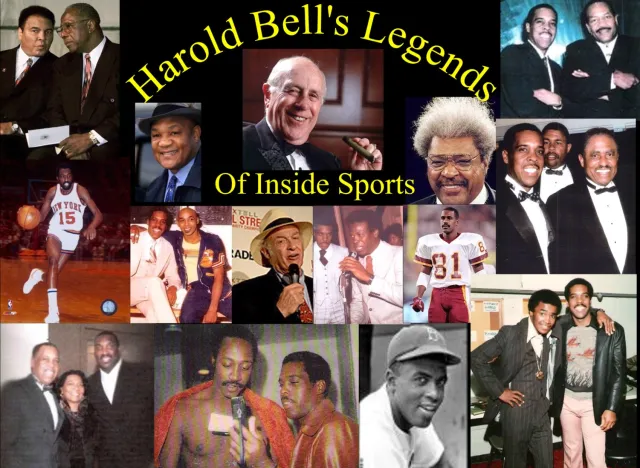
WE ARE SURROUNDED BY FRAUDS AND WE ARE STILL LOOKING FOR LOVE IN ALL THE WRONG PLACES!

